
Add to:
Member Input Needed
Learn about a proposed new approach to supporting insurance participation, reimbursement, credentialing, and more at a Regional Member Meeting this month.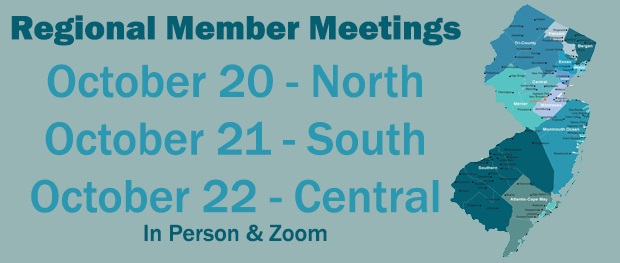
Innovation, Education & Connection at GNYDM 2026!
Explore the latest dental innovations, earn CE, network, and register FREE!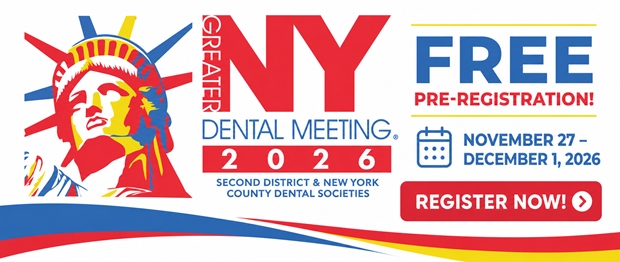
Fall Membership Drive
Get a jump start on 2027 - join local, state, and national now with no payment until January!
Save Time & Money on Dental Compliance
Provide flexible online training for the entire team, create required HIPAA and OSHA manuals and documentation, access compliance resources and more for one low price. Through December 31, 2026, New Jersey dental offices can take advantage of Early Adopter pricing on the first year of ComplyBetter NJDA.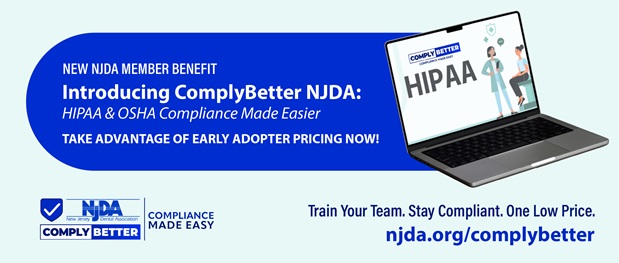
Make a Difference in Care
Help patients with special needs find a dental home. Join the NJDA’s Special Needs Provider List and connect your practice with patients and families seeking care. Sign up today.
Master Claim Appeals & Radiograph Coding
Join us November 17 at 1:00 PM for Session 4 of the Dental Claims & Coding Exchange! Dilaine Gloege, CDA, CPC, will cover claim denials and appeals plus radiograph coding and frequency limits to help your team navigate common claims and coding challenges.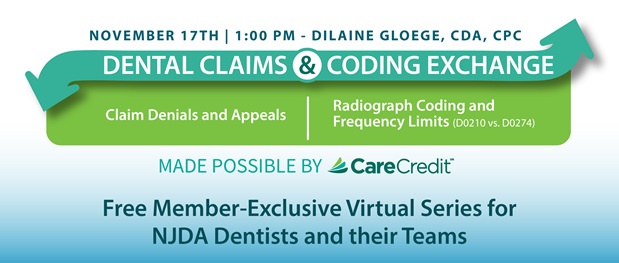
Helping Members Succeed
The New Jersey Dental Association is the voice of the dental profession and a strong proponent of oral health in the state. Members are part of a vibrant community of dentists encompassing 12 local dental societies as well as the American Dental Association. Members engage in educational programs, have access to dentist-centric relationships and tools to navigate the business of dentistry and their careers, as well as benefit from dedicated advocacy that protects the interests of the profession. The organization is run by member-dentists with the support of a team of professionals at NJDA Headquarters. NJDA members never practice alone!
UPCOMING EVENTS
Add to:
Add to:
DENTAL NEWS AND NOTES
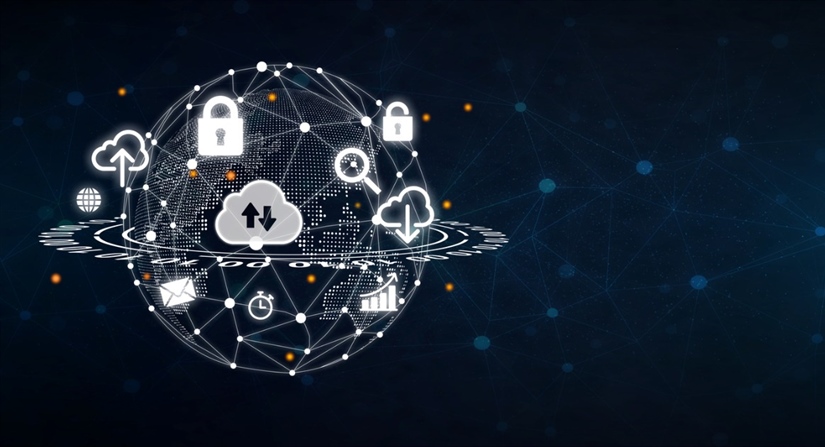
Data Backup and Cybersecurity Software for Dental Practices
Along with a robust cyber liability insurance policy, cybersecurity software and data backup serve as essential elements in your practice’s cyberattack prevention and recovery plan.
Data loss is more than just an inconvenient disruption. It can throw the entire dental practice into a state of panic. Imagine arriving at the office to learn that you are unable to pull up the schedule to determine which patients are coming in, what procedures will be performed or even how the rooms should be set up.
While human error and natural disasters are at the top of the list for causing data loss, cybersecurity breaches are rapidly moving up the list to join them. In 2022 alone, the number of healthcare cyberattacks increased by 74%.
As more offices switch to electronic records, The Dentists Insurance Company’s Risk Management Advice Line analysts recommend a twofold approach to minimizing the risk of data loss. First, prevent potential cybercrimes with reliable cybersecurity software. Then, mitigate the impact of a cyberattack with regular data backup.
Invest in Software
Selecting reliable cybersecurity software is essential for protecting sensitive patient data and ensuring the smooth functioning of your practice. It is important to understand that the software used in cybersecurity is a collection of software: firewall, malware protection, network security, traffic monitoring, anti-virus, intrusion prevention, intrusion detection, VPN and more. It's very likely that you will need to utilize multiple software programs in order to adequately protect your practice from cybercrime.
Consider the following guidance when choosing and investing in security software:
- Before selecting software, assess your practice's specific security needs. Consider factors such as the volume of patient data, the number of devices connected to your network and potential vulnerabilities. Determine if you need antivirus, anti-malware, firewalls, encryption or comprehensive cybersecurity protection.
- Ensure that the software you choose complies with health care and dental industry standards and regulations, such as HIPAA. Verify that the software helps to maintain patient confidentiality and meets the necessary legal requirements for handling sensitive health data.
- Look for software that offers ease of use and seamless integration into your practice's existing systems. It should not disrupt day-to-day operations and should be easily manageable by your staff.
- Opt for software that provides regular updates and robust customer support. Cyber threats evolve continually, and timely updates are critical in addressing emerging vulnerabilities. Confirm the software vendor offers consistent support to resolve any issues that may arise.
- Choose software that can grow with your practice. As your practice expands, the cybersecurity software should be scalable to accommodate the increased need for data and device security.
- While cost is a consideration, focus on the value the software provides. Compare different options, weighing their features, support and reliability against the cost. Investing in comprehensive, reliable software might initially cost more but can potentially provide significant savings in the long run.
- Prior to committing, take advantage of trial periods or demos offered by the software vendors. Trials allow you to test the software's compatibility with your systems. Additionally, seek reviews and recommendations from other dental practices or professional organizations to understand real-world performance and reliability.
The Importance of Data Backup
Data backup can mitigate the impact of a cyberattack by offering a lifeline to restore and recover data, systems and operations. Here's why data backup is so instrumental:
- Data recovery. In the aftermath of a cyberattack, especially in cases of ransomware or malware, attackers might encrypt or compromise data and make it inaccessible. Having a recent, secure backup allows practices to restore their data to a point before the attack, thereby regaining access to critical information without having to pay ransom or rebuild from scratch.
- Business continuity. Cyberattacks often disrupt normal business operations, causing downtime that can lead to financial losses and damage to a practice's reputation. With proper backups in place, a practice can swiftly recover and resume operations, minimizing downtime and maintaining continuity even in the face of an attack.
- Preventing data loss. Backups serve as a safety net against permanent data loss. In case of accidental deletion, corruption or destruction of data during a cyberattack, having copies of information stored off-site or in secure locations ensures that vital data is readily recoverable.
- Reducing recovery costs. Recovering from a cyber incident can be expensive. Data backups minimize recovery costs by enabling a faster restoration process, reducing the need for extensive resources to rebuild systems and recreate lost data.
- Avoiding ransom payments. In ransomware attacks, cybercriminals demand payment in exchange for decrypting data. With a secure backup, businesses can restore their systems without resorting to paying the ransom, thwarting financial losses and discouraging further criminal activities.
- Rebuilding trust and reputation. Swift recovery from a cyber incident is vital to maintaining the trust of patients and peers. With data backups, practices can minimize the impact on their reputation by demonstrating resilience and a commitment to data security.
TDIC's Risk Management experts recommend that dental practices have multiple back ups with one or more of them off line. Back ups should occur on a regular basis, preferably daily. In addition, make sure to test backups periodically by restoring the data.
Along with a robust cyber liability insurance policy, cybersecurity software and data backup serve as critical safeguards against the disruptive and damaging effects of cyberattacks. Reach out to the Risk Management Advice Line when you have questions about cybersecurity and all other practice challenges.
TDIC’s Risk Management Advice Line is a benefit to TDIC policyholders. To schedule a consultation with an experienced risk management analyst, visit tdicinsurance.com/RMconsult or call 1.877.269.8844.
QUICK LINKS




Contact Us
Phone: 732-821-9400 or dial the Staff Directly
Fax: 732-821-1082 | Email: info@njda.org | Follow us @NJDentalAssoc
One Dental Plaza, North Brunswick, NJ 08902
